

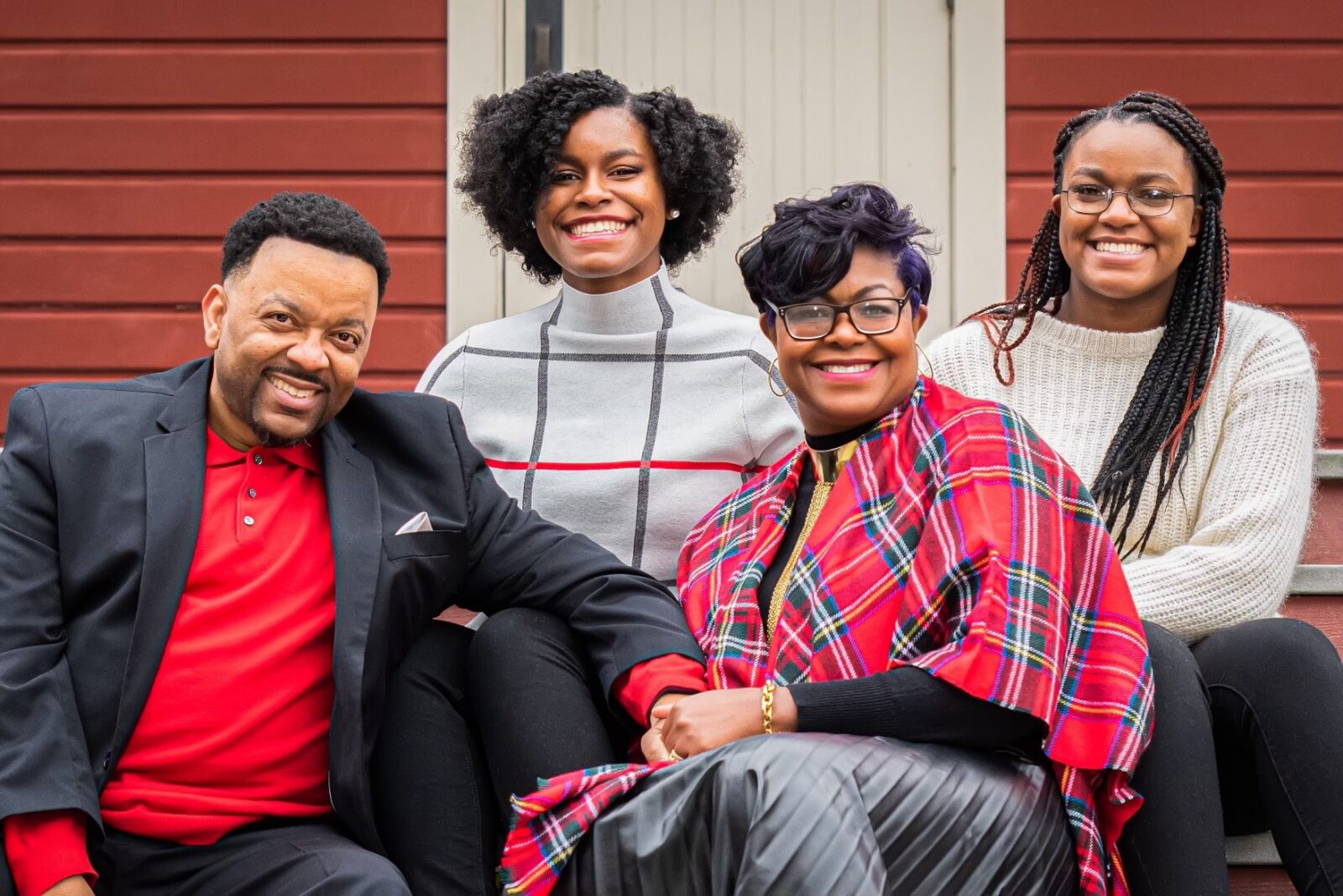
August is National Multiethnic Donor Awareness Month, an annual initiative run by the National Organ, Eye and Tissue Donation Multicultural Action Group (NMAG). The goal of National Multiethnic Donor Awareness month is to save and heal lives, while honoring multiethnic donors and strengthening diverse communities’ support for organ and tissue donation.
NMAG’s mission to improve the quality of life in multiethnic communities includes promoting the positive impact of organ, eye and tissue donation through public awareness programs like National Multiethnic Donor Awareness Month. This annual program expands on the same goals as National Minority Donor Awareness Week, started in 1996 by the National Minority Organ Tissue Transplant Education Program (MOTTEP), aiming to elevate awareness of health disparities, and promote organ donation and transplantation in multiethnic communities.
In the United States, the need for lifesaving organs exceeds the number of transplantable organs recovered each year. Currently, more than 100,000 Americans are on the national transplant waiting list. About 60% of people on the waiting list represent racial and ethnic minorities, highlighting the need to continue outreach and support in multiethnic communities.
This is especially urgent here in Washington, Montana, Alaska, and Northern Idaho – the region that LifeCenter Northwest serves. In our region, 53% of patients on the waiting list identify as Native American or people of color . These and other multiethnic communities are disproportionately affected by health conditions like hypertension and diabetes, which can lead to kidney failure. A large percentage, up to 86%, of those on the national transplant waiting list are waiting for a donated kidney.
Black Americans diagnosed with kidney disease are more than 4 times more likely to develop kidney failure than White Americans with kidney disease, and on average, transplant candidates also wait longer for heart and lung transplants. The prevalence of kidney failure among Hispanic/Latino Americans and Native Americans is more than twice as high as White Americans, according to the U.S. Renal Data System. These healthcare disparities underline the importance of National Multiethnic Donor Awareness Month’s mission to conduct education and outreach in our communities — including Tribal nations and Alaska Native communities across LifeCenter Northwest’s own service area.
LifeCenter Northwest works with more than 230 partner hospitals across Washington, Northern Idaho, Montana and Alaska and collaborates directly with Tribal health organizations and Alaska Native communities, including groups such as the Alaska Native Tribal Health Consortium and the Alaska Native Medical Center, to deliver culturally informed donation education. LifeCenter Northwest also partners with family members and volunteers throughout the region who share their own experiences with donation and transplantation to support equity, representation, and trust building in our communities.
During Multiethnic Donor Awareness month, we continue to spotlight the need for more organ, eye and tissue donors within multicultural communities, and encourage everyone to register their choice and talk with their loved ones about organ and tissue donation. Last year, thanks to the generosity of donors and donor families, more than 1,300 life-saving transplants were performed by LifeCenter Northwest. As of last month, 2,269 people remain on the transplant waiting list in our region, and about 40% of those represent racial or ethnic minorities.
To illustrate how impactful community education can be to health outcomes, LaMont Williams, senior pastor of Restoration Life Church in Burien, Wash., shared the path from a diagnosis of kidney disease to receiving a kidney transplant in a moving interview with Back2Besa on FOX13 Seattle. Watch the story here.
For resources and more information on National Multiethnic Donor Awareness Month, visit DonateLife.net and nmag1.org. You can register your decision to be an organ, eye and tissue donor at your local DMV or in the National Donate Life Registry at RegisterMe.org.
Related Content

Finding Her Voice: Carmelle’s journey with kidney disease
A life of purpose Carmelle was diagnosed with lupus at age 16. She knew kidney disease could be a possibility someday. Her grandfather had both lupus and kidney disease. Still, … Read More
Why organ donation awareness matters in Hispanic communities
Building trust and understanding is essential to our mission. That’s why attending events like the Cinco de Mayo festival in Sunnyside, Wash., is so important. Understanding why organ donation matters … Read More
Carrying their legacy to Washington, D.C.
How two proud moms are strengthening communities through storytelling Last week in Washington, D.C., two mothers honored their sons in the most powerful way they could — by turning loss … Read More
