

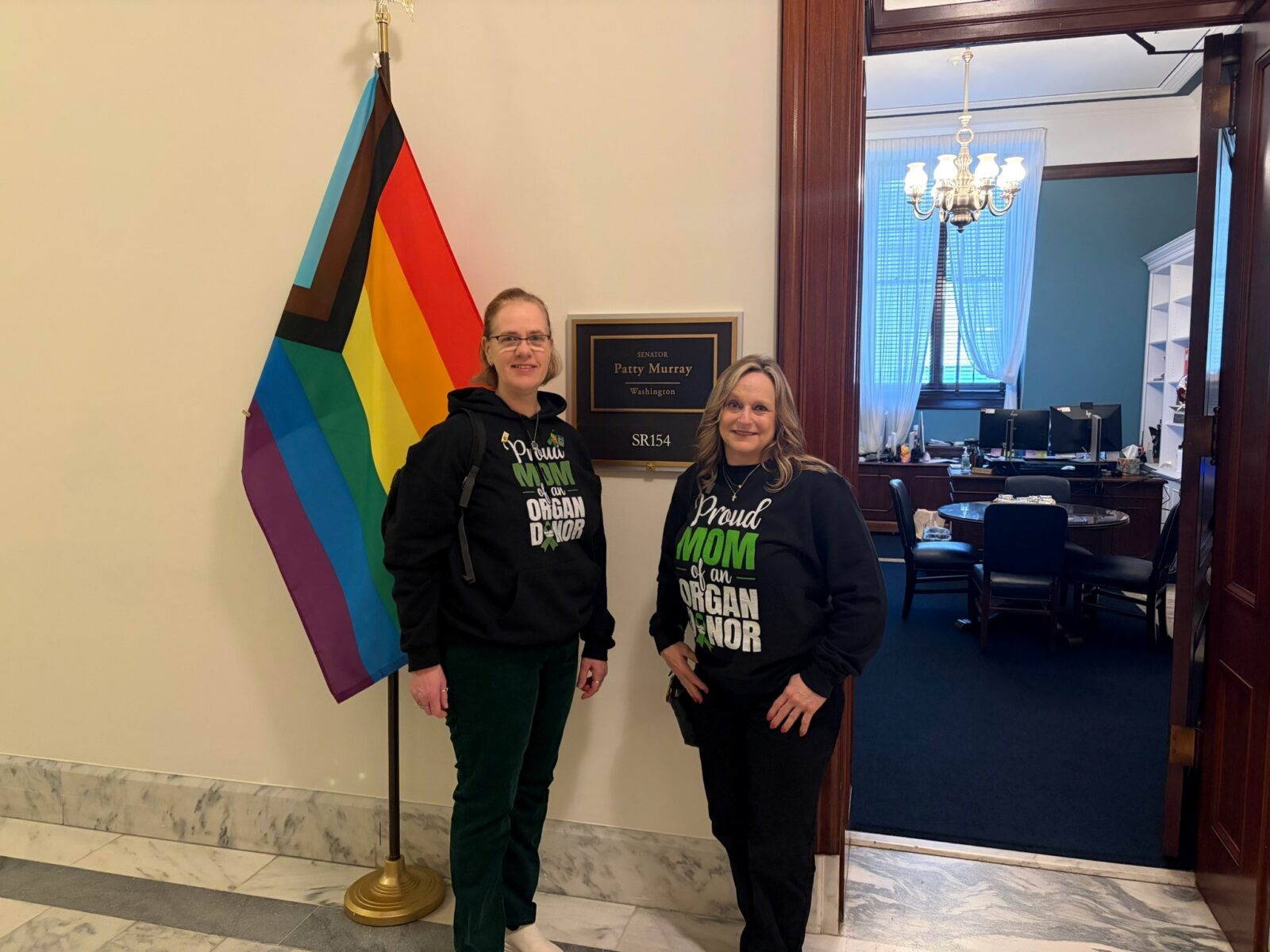
How two proud moms are strengthening communities through storytelling
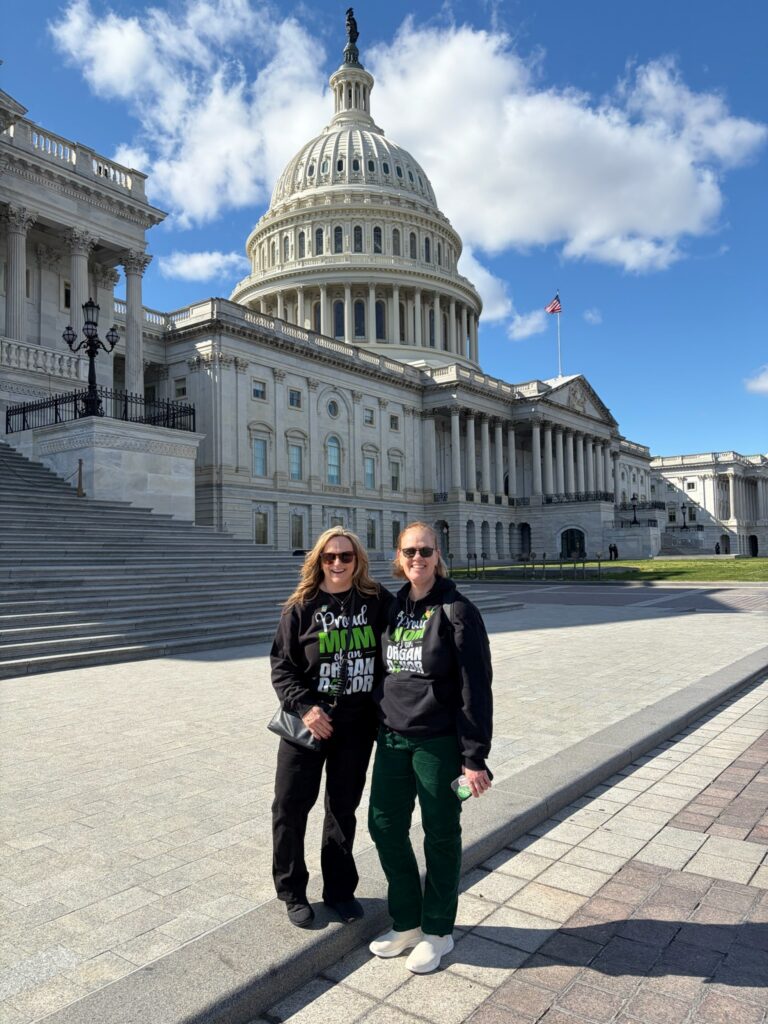
Last week in Washington, D.C., two mothers honored their sons in the most powerful way they could — by turning loss into a mission to give others a second chance at life.
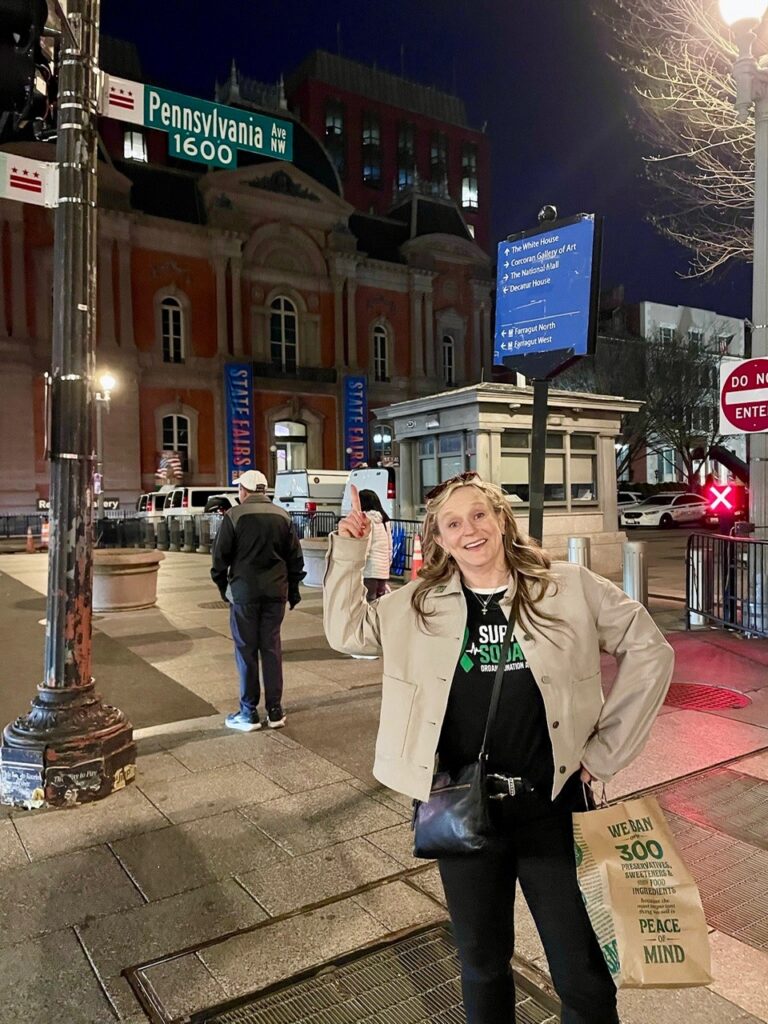
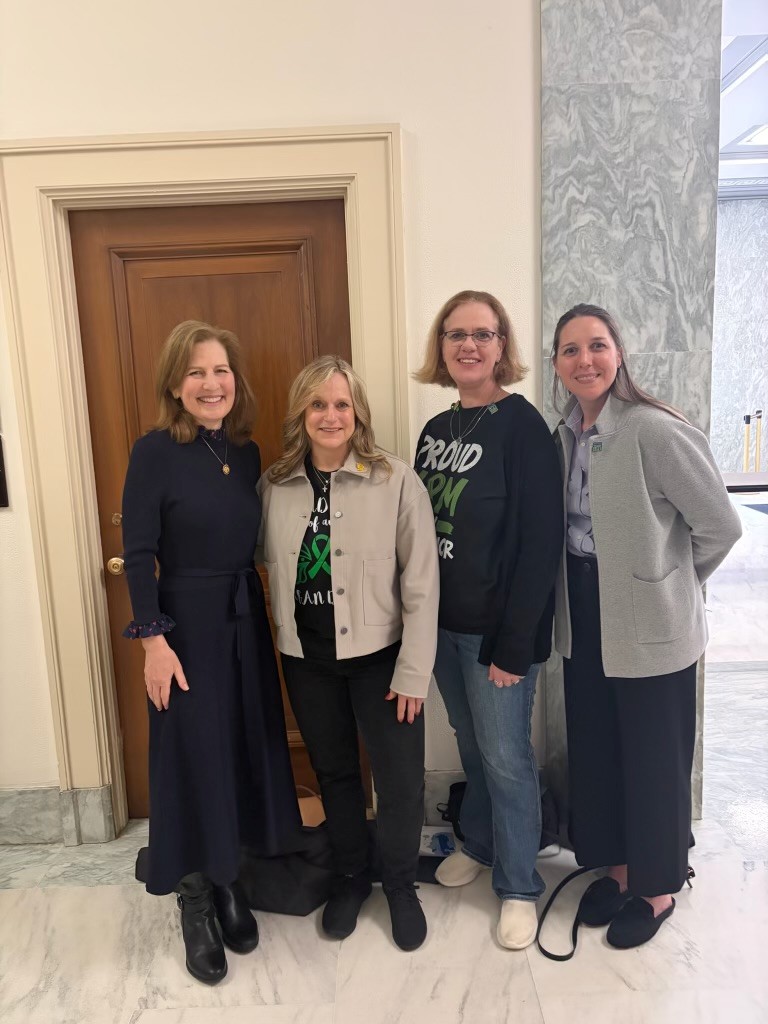
Sonja Dadderio and Heidi Gould traveled to the nation’s capital alongside Ashlei Lind, LifeCenter Northwest’s director of external affairs, united by a shared purpose: to help lawmakers understand the profound impact of organ and tissue donation and support the policy reforms that make that work possible. Wearing shirts that read “Proud mom of an organ donor,” they carried their sons’ legacies into every conversation.
Their sons, Carter Herne and William Hunt, made the decision to register as organ donors. Because of that decision, together they saved 10 lives and healed many more — a legacy that continues to ripple outward through families and communities across the country.
Over the course of four days, the group met with 21 congressional offices representing four states, bringing Carter and William’s stories directly to the people shaping policy.
Sonja and Heidi spoke about their sons’ decisions, but also about the enduring nature of love and grief. By sharing their experience and advocating for policy reform that supports the work of organ procurement organizations (OPOs) like LifeCenter Northwest, they’re honoring their sons while helping to save the lives of people waiting for an organ transplant. In meeting after meeting, they offered a perspective that cannot be captured in numbers alone: the reality of lives saved, families healed, and communities strengthened through organ donation.
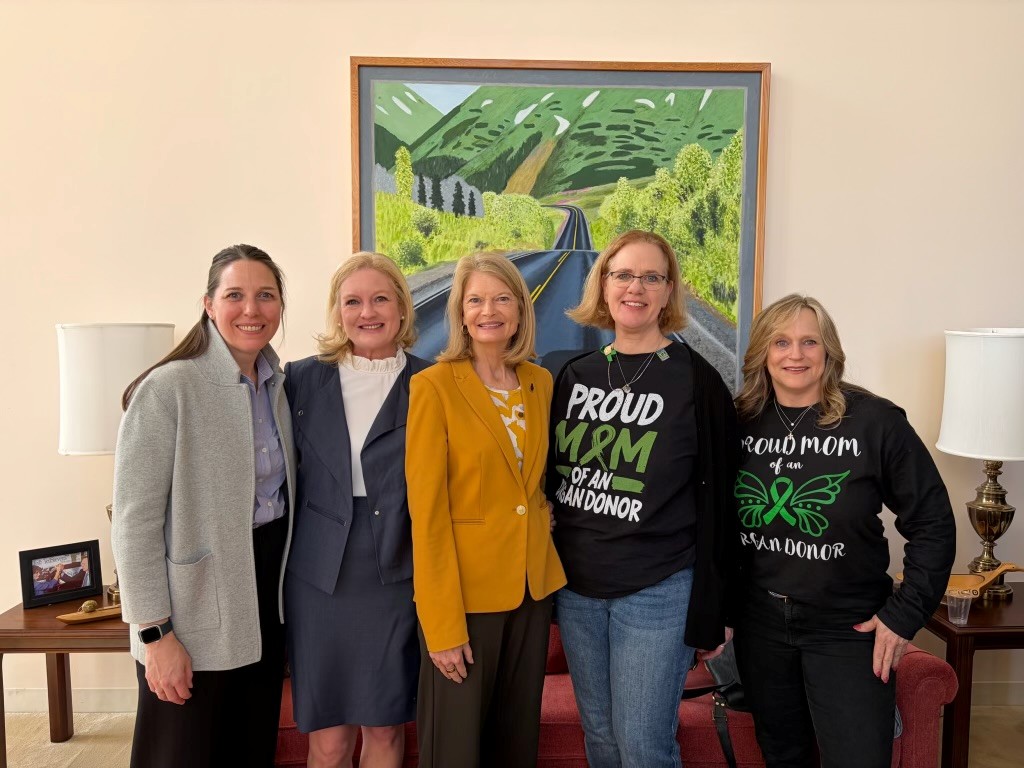
Those conversations highlighted the complex system that makes donation possible.
LifeCenter Northwest’s ability to carry out its mission depends on strong partnerships with donor hospitals, transplant programs and communities across the region. As the OPO serving the nation’s largest and most geographically diverse areas — including Alaska, Montana, North Idaho and Washington — the organization navigates vast distances, rural and remote communities, and challenging conditions that make timely coordination critical. Even under these circumstances, the commitment remains the same: to honor every donor’s legacy and ensure no life-saving opportunity is missed.
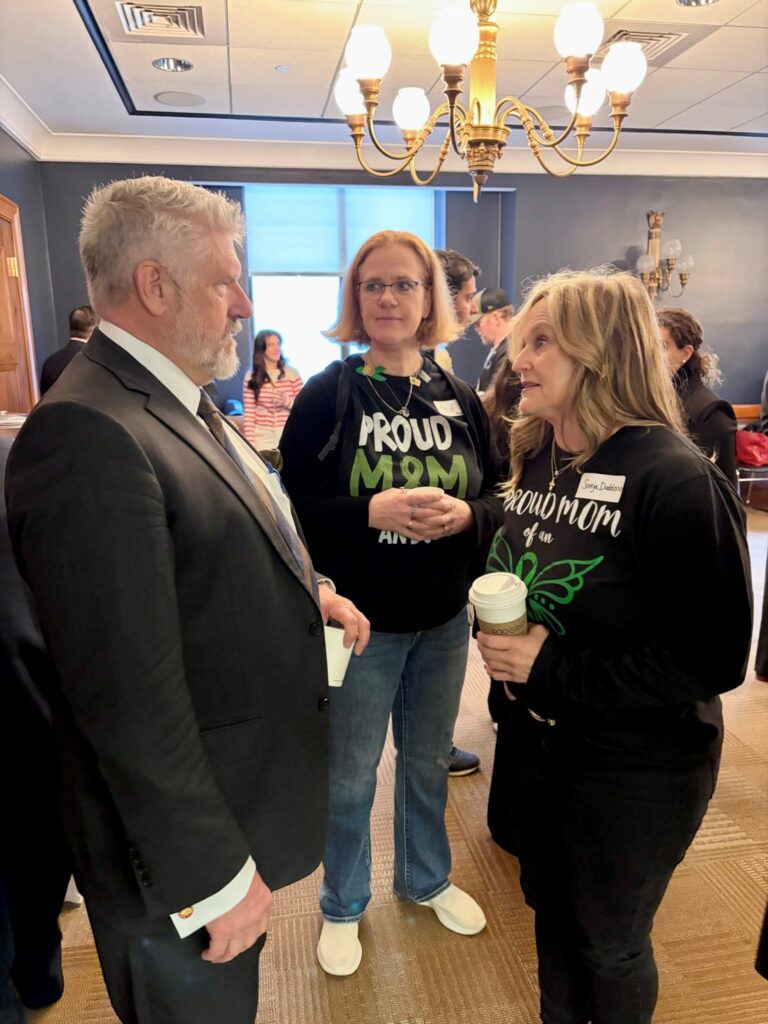
More than 100,000 people in the United States are currently waiting for a life-saving organ transplant.
Behind every number is a person, a family and a future full of possibility. Yet in 2024, according to the Scientific Registry of Transplant Recipients, more than 25% of donated kidneys were not used — even as thousands of patients died waiting.
Our organization, alongside partners across the country, continues to advocate for improvements to the national system, which includes increasing the number of organs available for transplant, reducing disparities and supporting innovation. A key focus is ensuring that federal oversight accurately reflects the realities of the work. Current evaluation metrics from the Centers for Medicare & Medicaid Services (CMS) have raised significant concerns among OPOs nationwide, as they may not fully or fairly measure performance and could ultimately put patients and access to transplantation at risk. We are urging common-sense updates to create a more accurate, transparent and effective system.
This work is driven by the people behind it.
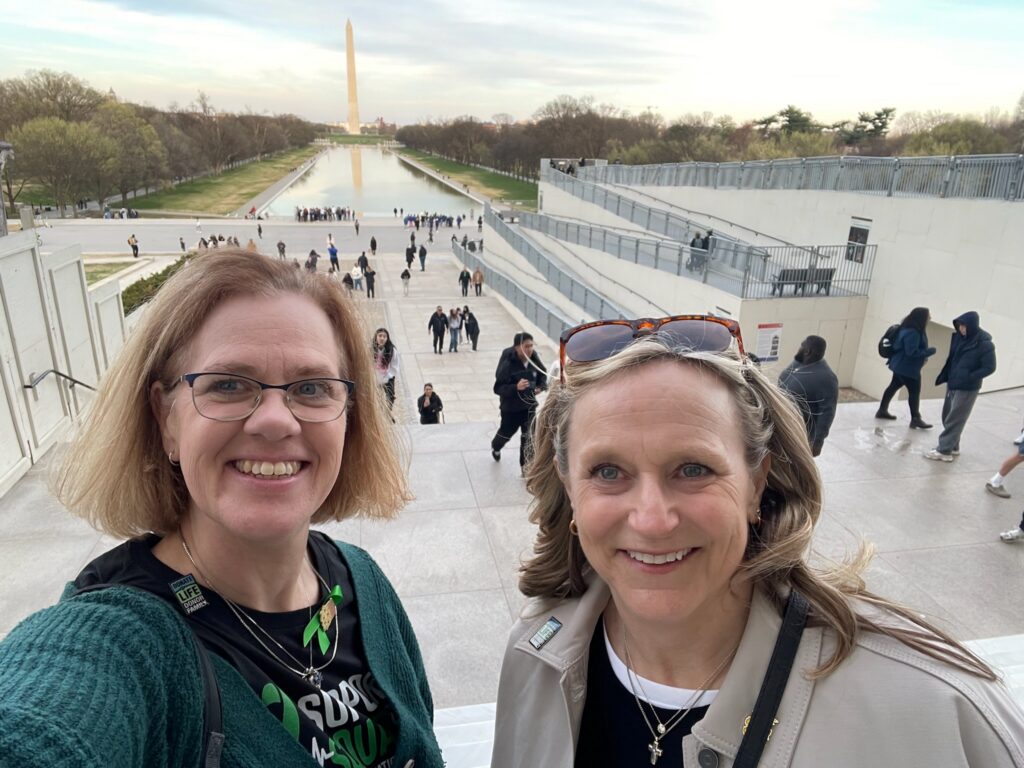
Advocates like Sonja and Heidi are a powerful part of that effort. As the week came to a close, they returned home with sore feet but full hearts, knowing they carried their sons’ legacies forward in a meaningful way. Their voices helped bridge the gap between policy and people, reminding lawmakers that one selfless decision — and the complex system that supports it — can change countless lives.
Learn more about donation and talk with your loved ones about the impact you can make.
Related Content
Over 300 Gather in Seattle to Honor Organ, Eye and Tissue Donors at LifeCenter Northwest Donation Celebration
Nearly 350 organ donor families, transplant recipients, and community advocates gathered at the University of Washington’s Husky Union Building for LifeCenter Northwest’s annual Seattle Donation Celebration. Co-sponsored by Lions World … Read More
What National Multiethnic Donor Awareness Month Means: A Journey Back to Health & Life
Kidney disease is treatable – because it is beatable. “If I die in this surgery, tell our child that I did everything I could to live,” I said to my … Read More

LifeCenter Northwest Celebrates National Multiethnic Donor Awareness Month
August is National Multiethnic Donor Awareness Month, an annual initiative run by the National Organ, Eye and Tissue Donation Multicultural Action Group (NMAG). The goal of National Multiethnic Donor Awareness … Read More
