

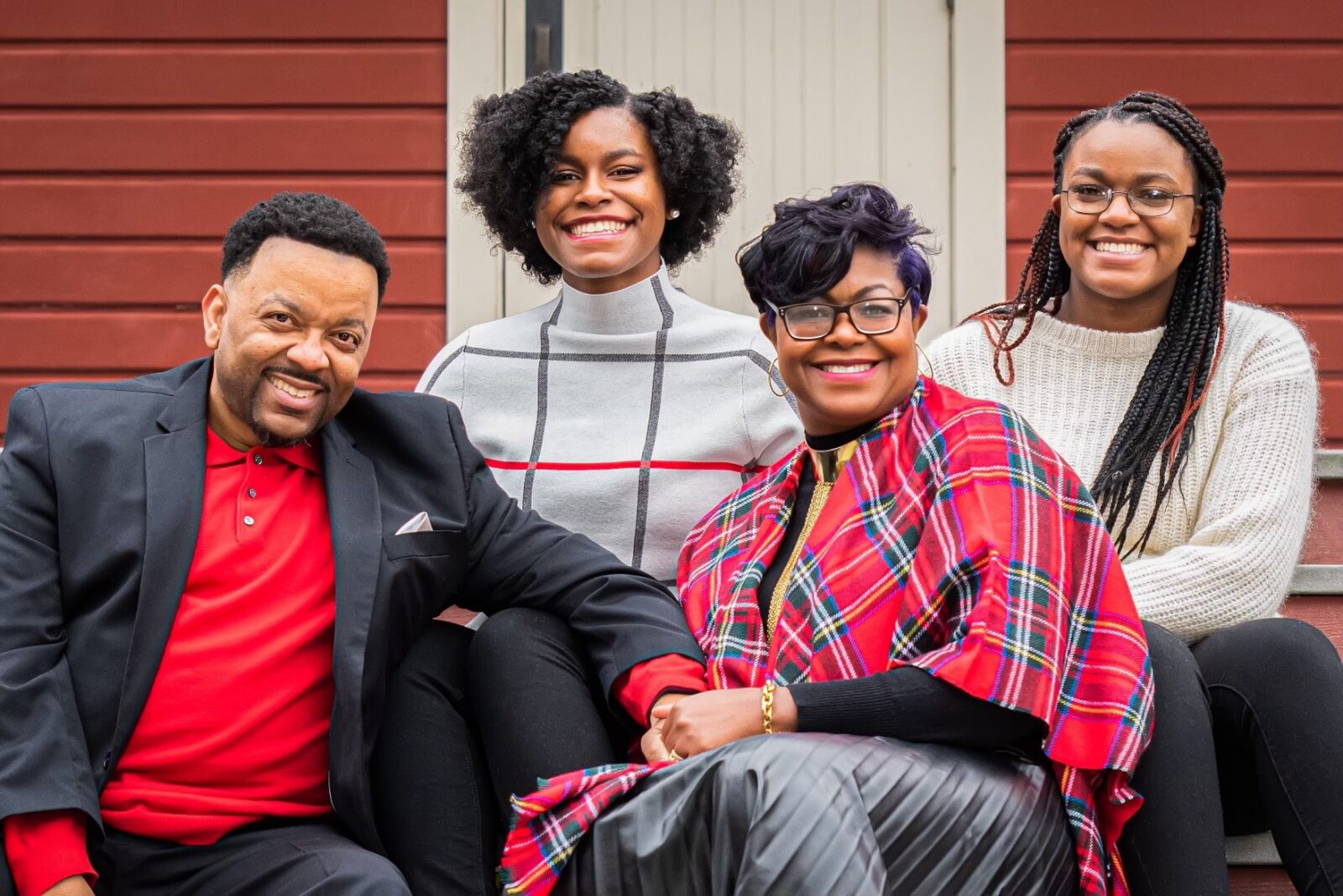

Kidney disease is treatable – because it is beatable.
“If I die in this surgery, tell our child that I did everything I could to live,” I said to my pregnant wife when the pager alerted me that a kidney donor matched.
It was 2001, and my kidney was failing. My first child was due any day. I was on the verge of a layoff. The day after I received my first kidney transplant, I held a phone to my ear while lying in a hospital bed and listened to our baby being born.
That lifesaving donation resolved my first health crisis, which started in 1988. Because diabetes runs in my family, at 16 I began having lab work done two times a year. During one of those routine tests, doctors discovered kidney scarring, evidence of a disease which was mostly asymptomatic for years.
A decade later, my ankles and calves began to swell. Tests revealed IgA nephropathy, a rare disease that causes antibody immunoglobulin to build up in the kidneys, inflaming and scarring its filters. By 2001, my health had significantly deteriorated, and the worst stomachache of my life sent me back to the nephrologist. They told me I had 8% kidney function and put me on dialysis. My doctors were not sure I would survive.
Thanks to my first donor who selflessly gave me the gift of life after passing away, I survived and got on with my life. We moved to Seattle, and I became a pastor at my church. Things were going well, until 2016 when my body started rejecting my kidney. Back on dialysis, my faith was hanging by a thread. My transplant journey was not over.
I was so familiar with dialysis that I learned how to administer it to myself at home, which took 15 hours a week. My church members rallied around me. My congregants began testing themselves to see if they were a donor match. I didn’t request this, I only asked for their prayers.
In 2017, my second transplant came from the selfless generosity of one of my church members. My experience inspired me to advocate on behalf of our local organ procurement organization, LifeCenter Northwest.
African Americans are five to eight times more likely to suffer from kidney disease, potentially needing a transplant someday, but less likely to register. While organs are not matched based on race, studies show transplants may be more successful when organs are matched between the same ethnic and racial group.
As a member of the Black community whose father came from the Tuskegee Institute generation, I understand medical mistrust. I also understand that doctors saved my life. I’m alive today because I trusted my doctors and followed their directives. To hear more about my journey back to health, you can watch my interview with Back2Besa on FOX13 Seattle. Watch the story here.
August is Multiethnic Organ Donor Awareness Month, the perfect opportunity to make the decision to save lives and talk about it with your loved ones. We can all do our part in maintaining our own health, and potentially saving others’ lives. Register today at donatelifewa.org.
Related Content
Over 300 Gather in Seattle to Honor Organ, Eye and Tissue Donors at LifeCenter Northwest Donation Celebration
Nearly 350 organ donor families, transplant recipients, and community advocates gathered at the University of Washington’s Husky Union Building for LifeCenter Northwest’s annual Seattle Donation Celebration. Co-sponsored by Lions World … Read More

Honoring Organ Donors: The lasting legacy of the Gift of Life
Each spring, something deeply significant takes place in Alaska, Montana, and Washington. Governors, state officials, and community partners gather to honor people they never had the chance to meet — organ donors … Read More
Why organ donation awareness matters in Hispanic communities
Building trust and understanding is essential to our mission. That’s why attending events like the Cinco de Mayo festival in Sunnyside, Wash., is so important. Understanding why organ donation matters … Read More
